What Zepto & Zomato Taught Me About Customer Loyalty, Marketing & Growth
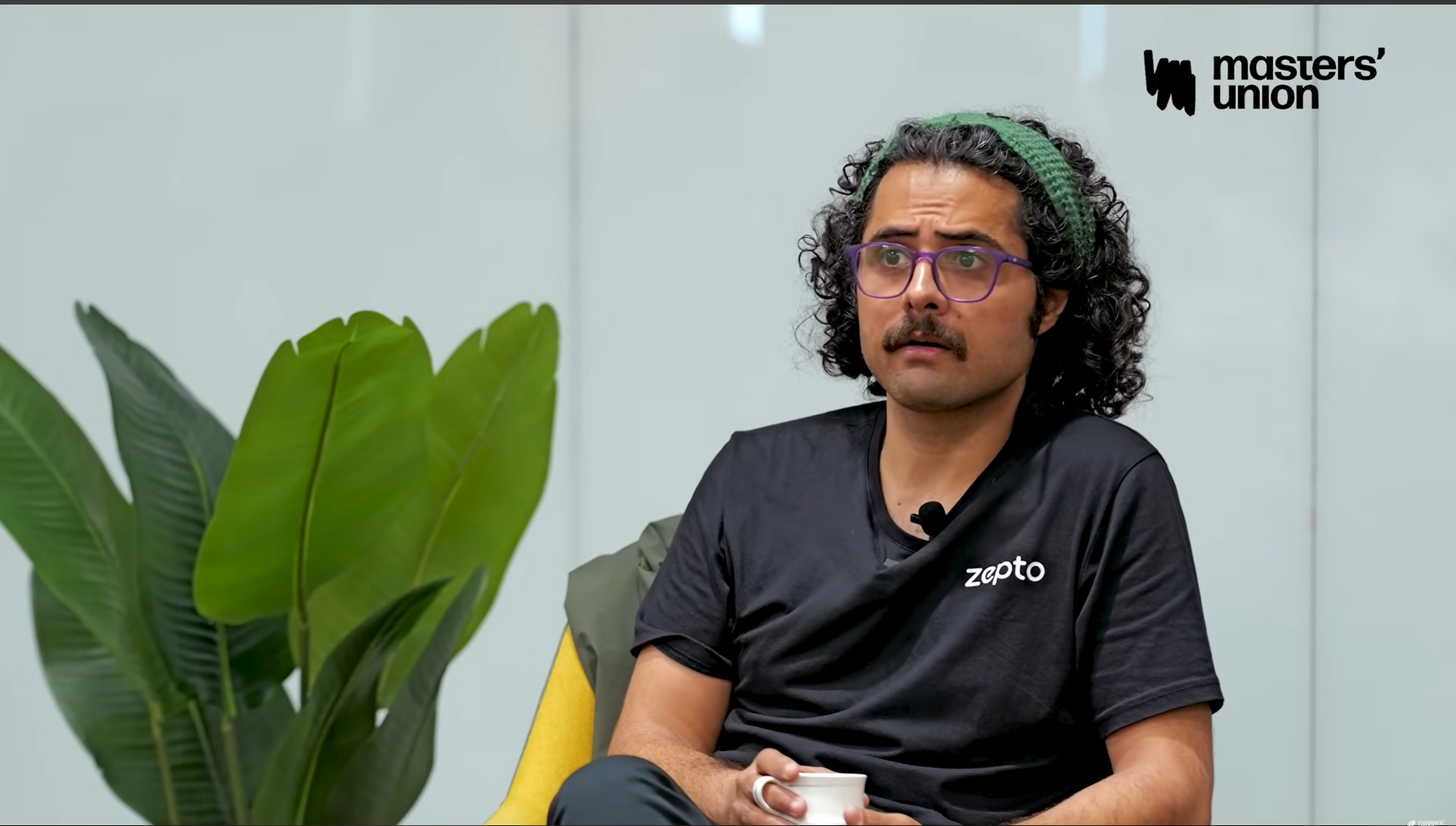
I watched this podcast with the mindset of "startup stories". I found myself rethinking Zepto and I realized that one thing:
The companies, such as Zepto and Zomato, are not selling food or groceries. They're building habits.
These are some of my thoughts about these businesses that made me think outside the box.
1. Customer loyalty isn't just about discounts.Customer loyalty is not solely about discounts.
Why is it that Zomato keeps on opening?
Not all the time it's due to a coupon.
Because of the fact that the app has become part of our routine, “what shall I eat today?”
That's the reason for customer retention.
The product is addressing a problem that has been recurring and the brand becomes a part of the customer's daily life.
2. "Aaj mangaya kya?"
This is where the concept of retention marketing comes in.
“Aaj mangaya kya?” doesn't sound like a typical ad.
It fits in with the customer's world.
Rather than use the term ‘Order now', the brand instills a thought:
Is there something that I need today?
Great marketing doesn't always break through the customer's thinking.
At times it is incorporated into it.
3. Zepto's "Halo Effect"
Picture yourself in Zepto and stumbling upon L'Oréal, Lakmé and other high quality brands.
The first thing you may consider is:
They'll have most of the other stuff I need as well if they have these brands.
Do not need to view all of the products.
Some strong products can sway your view of the site.
The halo effect is that.It's the halo effect.
4. Assortment = more opportunities to experience
The first milk purchase in Zepto could be from a customer.
The other will be for skincare products.
Another person may visit because his or her favorite brand is offered.
That's the strength of diversity!
Relevant products and more reasons to become a first-time customer.
Once you're in the system, the platform can have a chance to make that first order into a habit.
5. SKU is where the boring part begins.
There are thousands of Stock Keeping Units (SKUs) behind this vast array of product.
All products must be available, stored and monitored and delivered.
It's not just a marketing choice to have more products.
It is an operations and inventory issue too.
6. Reach ≠ Frequency
Zomato can target millions of people with a campaign.
It takes more than just one ad to create a habit.
Reach = number of people that see you.
Frequency = how much you see them.
Both have to be considered when thinking about good marketing.
7. And the final mile comes next.
The customer sees:
"Delivered in 10 minutes."
Behind that promise is a whole other story:
Inventory + dark stores + delivery partners + technology + route optimisation + last mile cost.
The customer experiences quickness.
The business needs to make that high speed "economically sustainable.
My biggest takeaway
Growth is NOT a single thought.
It's all about a lot of little choices:
The four steps to acquiring, assorting, retaining and operating are economics.
This is likely to be why companies like Zepto and Zomato are so intriguing to study.
It's not just a matter of learning how they market.
You discover what a business system is based on.